Sheet 01 of 03General arrangement
Anti Theft Auto: New Mercy
Concept art becomes weapons, a cast, a car, a city and a fleet. Most of the source sheets live in one place and are rebuilt in the others.
- Drawing no.
- APX-L01
- Line
- 01 of 04
- Blocks
- 06
- Starts at
- Images
- Ends at
- Boats
- Latest push
- 2026-11-23
- Read
- Top to bottom
- Sheets
- 03
Stages
What each repository contributes to this line, in order.
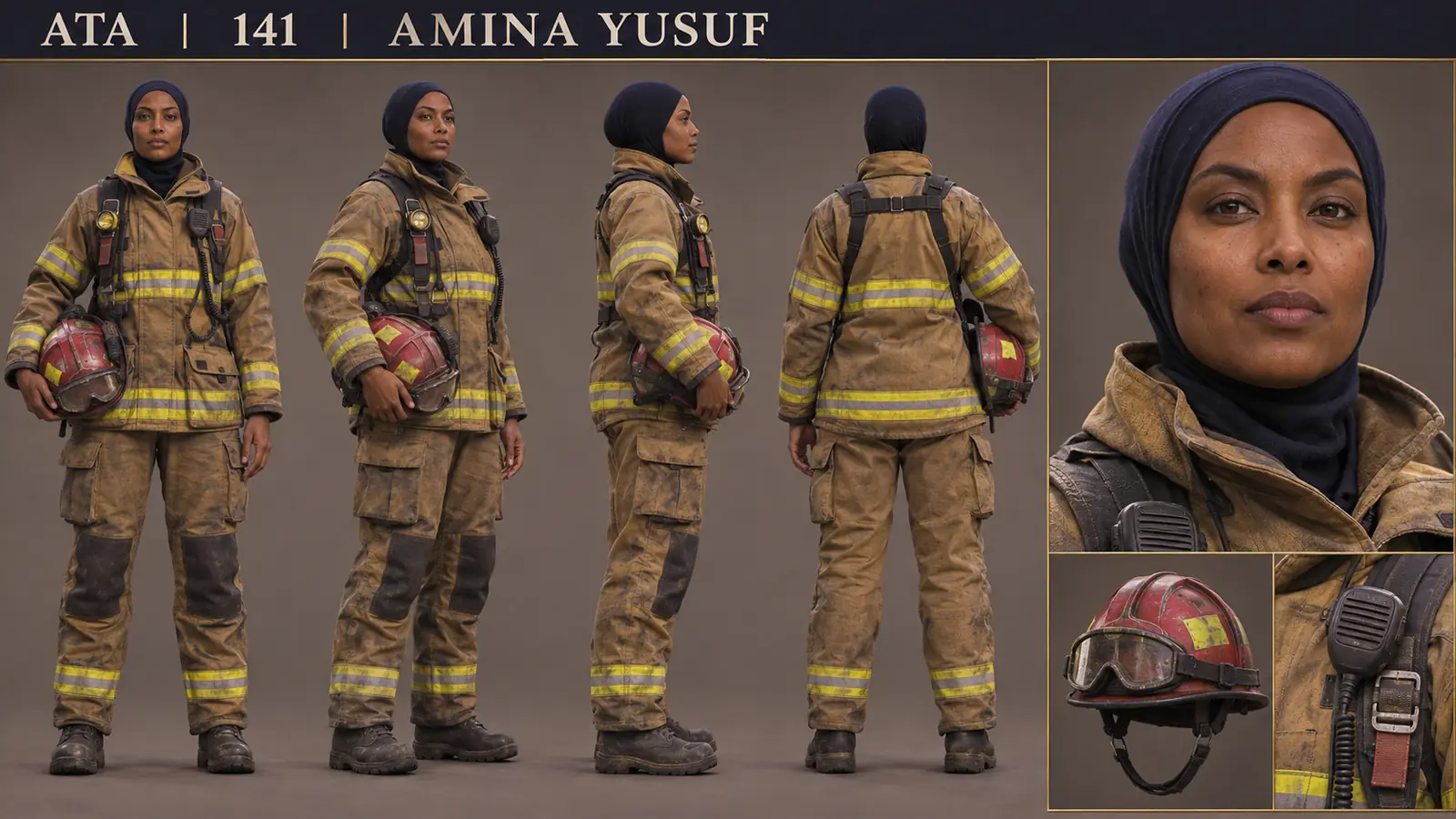
Fig. 2.1Reference boardATA source art Stage 1 of 6 APX-C10 / Source artImages
Holds the original art: character reference boards, turnarounds and the weapon concept sheets, 257 files under ATA/.
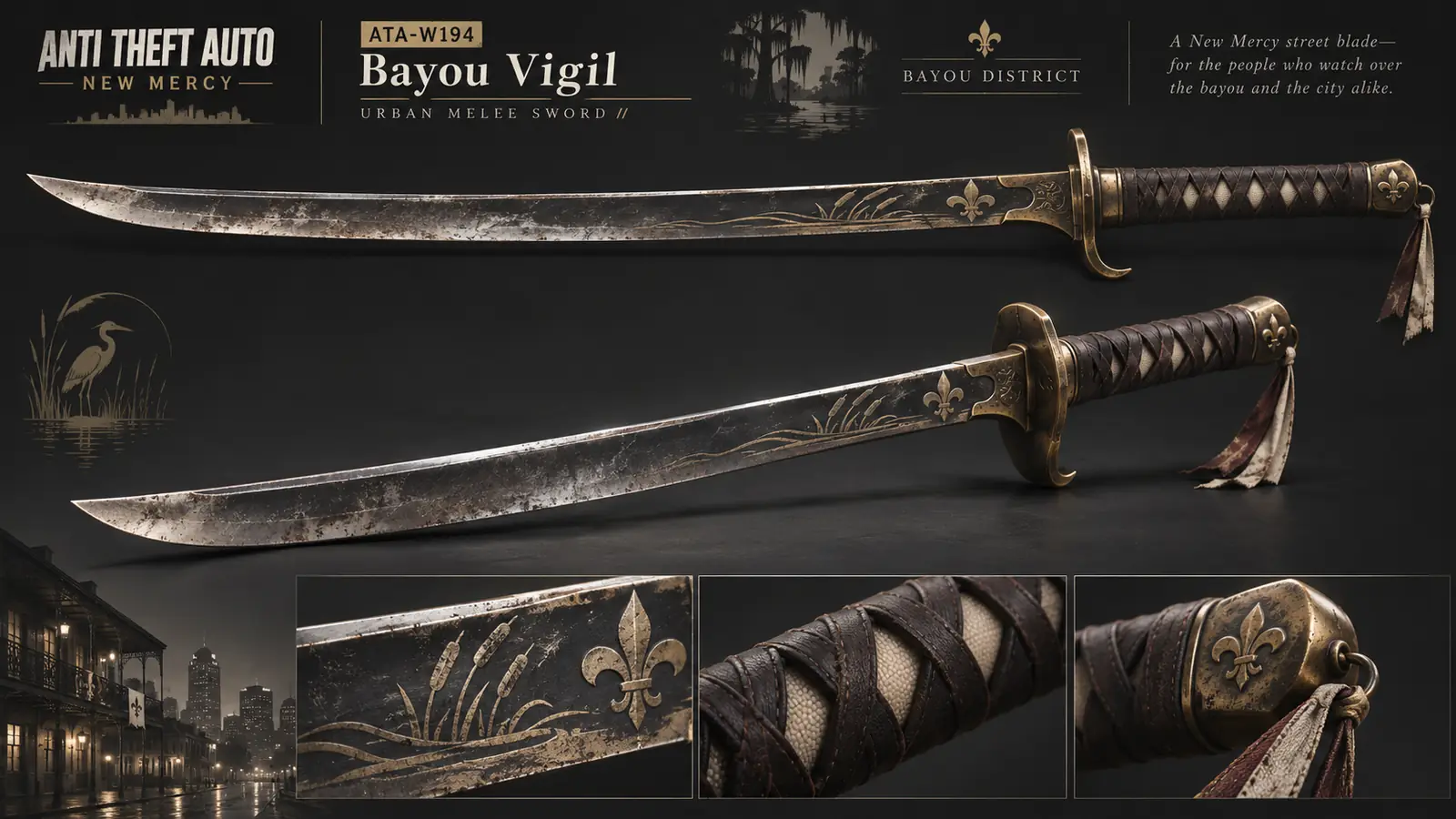
Fig. 2.2Bayou Vigil concept sheet356 weapons Stage 2 of 6 APX-C05 / ArsenalWeapons
The ATA Weapon Atelier rebuilds 243 assets from the concept sheets as three.js builders with animated, socketed GLB export.

Fig. 2.3Orin, reference model488 model paths Stage 3 of 6 APX-C06 / CastCharacters
The ATA casting page maps eight production models to provisional New Mercy roles. Every assignment is a casting candidate.
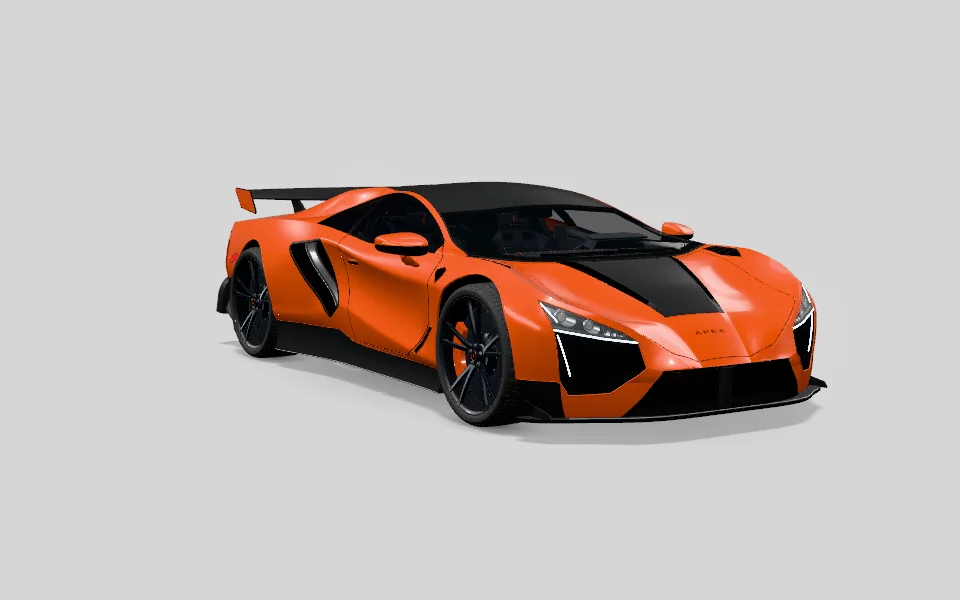
Fig. 2.4APEX X1116 designs Stage 4 of 6 APX-C08 / Vehicle catalogCars
The ATA Sunday, a classic muscle coupe from the Bellwether district, fitted to its concept sheet over 31 rounds. The city keeps the X1 and three Neon cars at full detail.
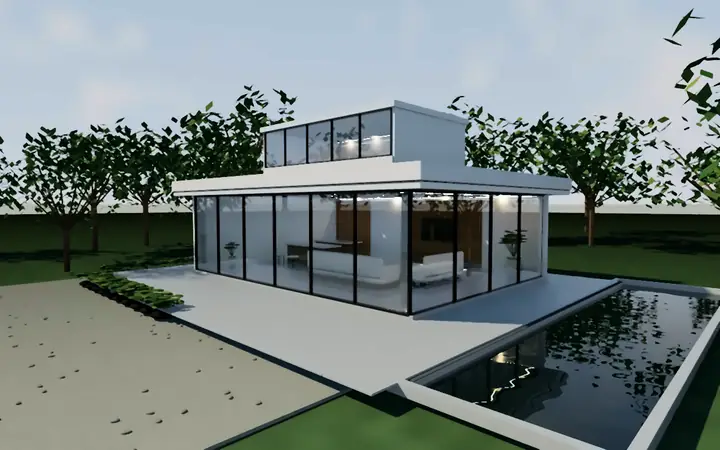
Fig. 2.5Glass villa1,000 buildings Stage 5 of 6 APX-C04 / ConstructionBuildings
APEX Construction Intelligence V8.2, ATA City 1000, loads 1,000 buildings for the city.
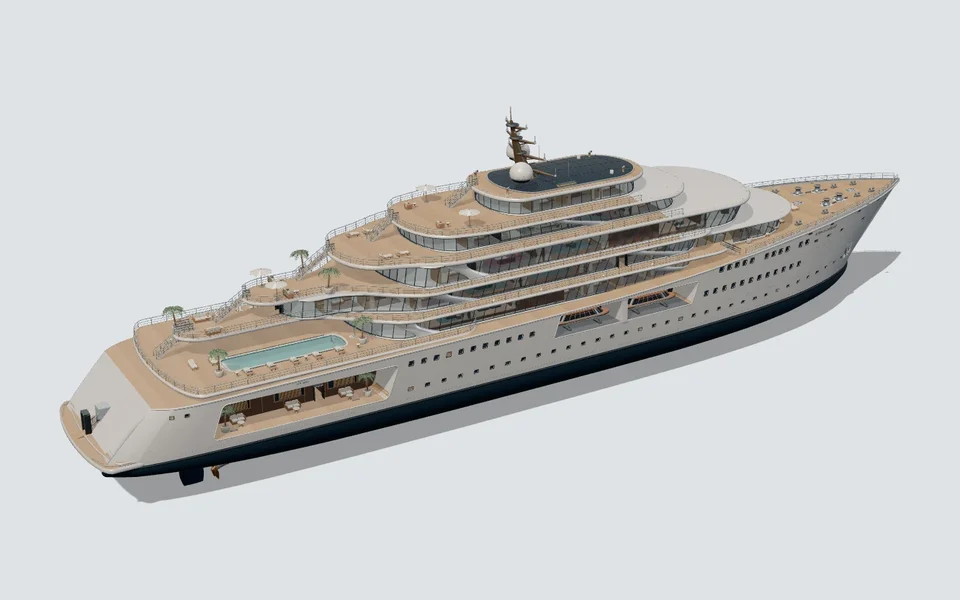
Fig. 2.6B114 Dawn Ascendant918 models Stage 6 of 6 APX-C09 / Vessels and accessoriesBoats
Seventeen New Mercy vessels and 900 wearable accessories, built from the artwork as Blender Python generators.
Other lines
The other three lines of work that run through the library.
Procedural worlds
StudiCraft, 3dforge and Tidehaven scenes, the Weapon Forge and the car fleets that came from the same source, and the rendering research measured against them.
Engineering
Factory machines, the robots they would build, and the parts catalog under both. Builder Bot appears in two of them.
The library itself
One catalog searches every file in the collections; one archive keeps the conversations that produced them. Both are served by the same local Library.